A famous mountain, a living route, and a return journey
The modern Naples Vesuvius roundtrip carries centuries of memory: science, music, risk, resilience, and wonder.
Table of Contents
Vesuvius before tourism
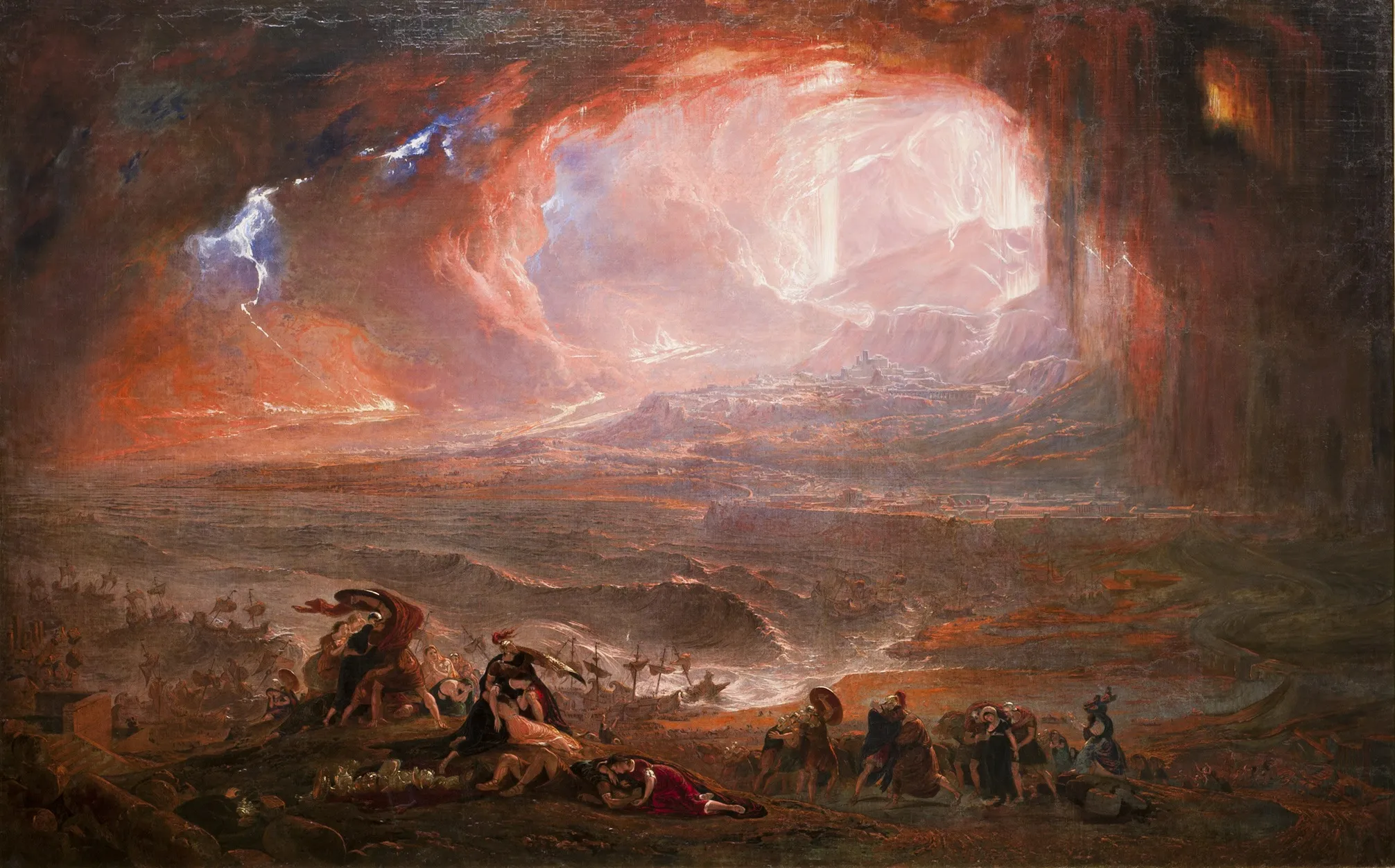
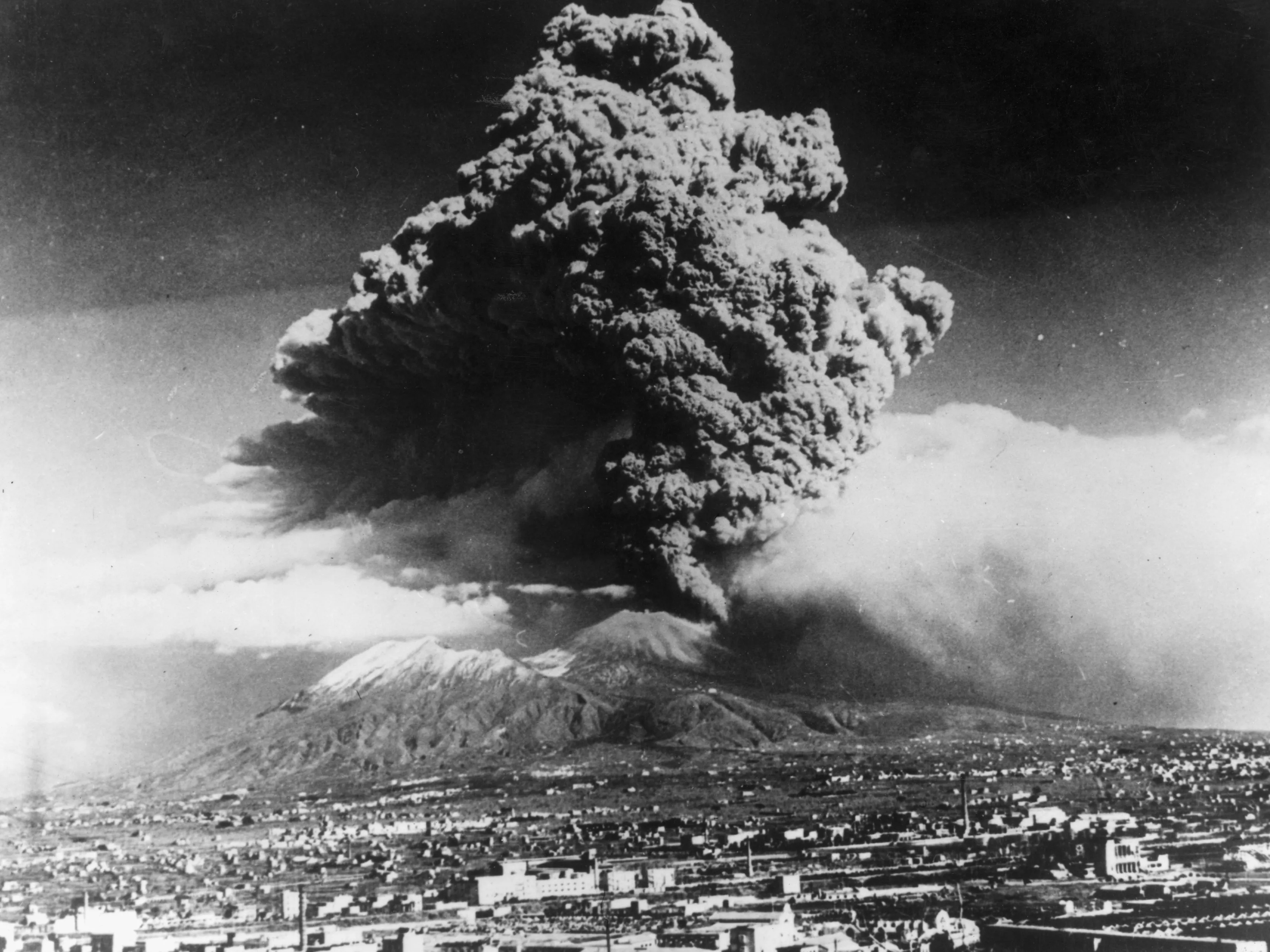
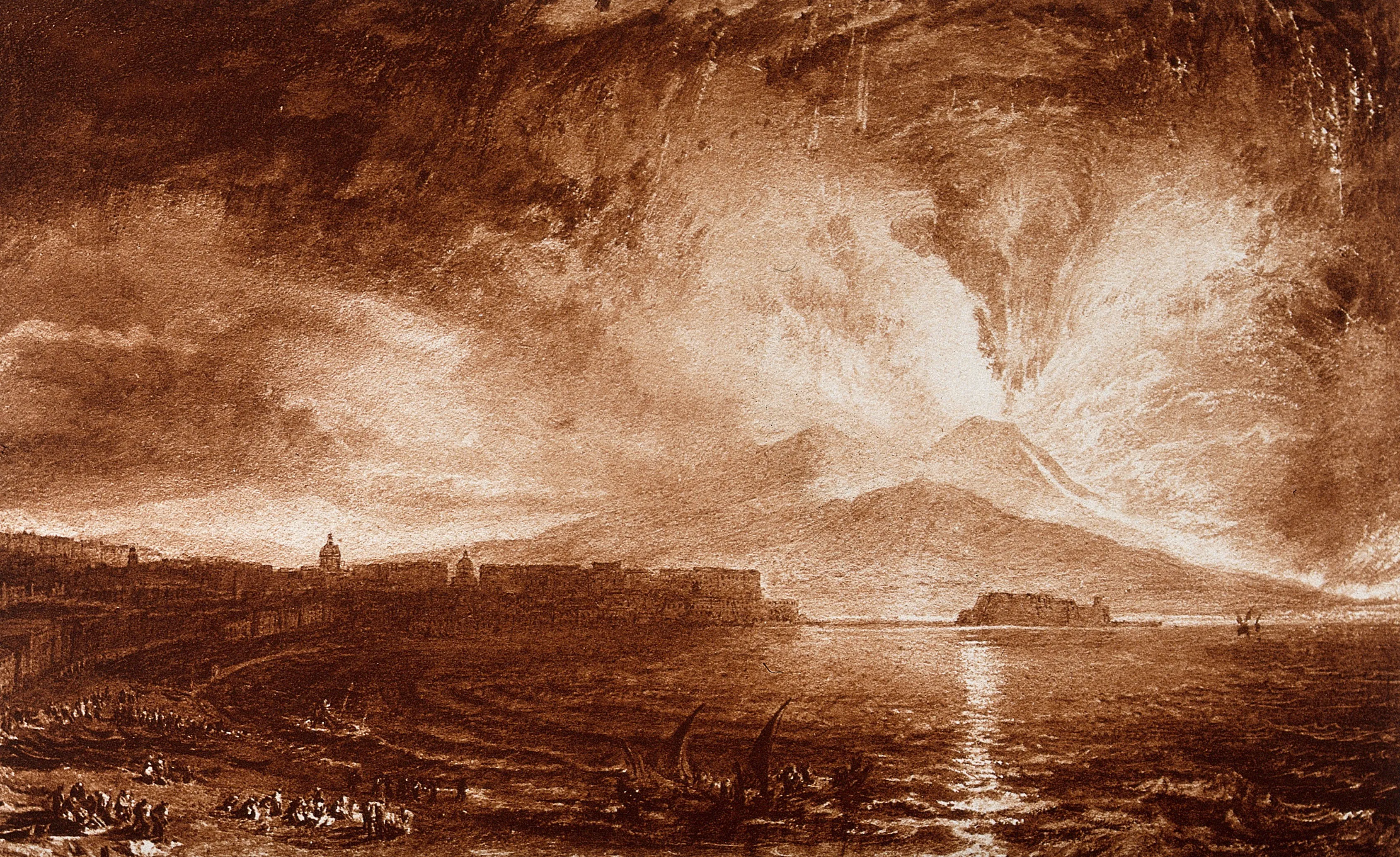
Long before booking platforms existed, Vesuvius already shaped daily life around the bay. People farmed its fertile soils, watched its changing profile, and lived with a tension that still defines the region: extraordinary beauty paired with volcanic risk. The eruption of 79 CE, which buried Pompeii and Herculaneum, became one of history's most documented natural disasters and changed how later generations imagined power, vulnerability, and memory.
By the eighteenth and nineteenth centuries, Grand Tour travelers arrived in Naples specifically to witness this landscape where civilization and geology meet so dramatically. Their letters described dawn climbs, sulfur scents, moonlit crater views, and the unsettling realization that one of Europe's most culturally rich regions existed beside a still-active volcano. In many ways, the modern roundtrip follows their emotional map, only with better logistics and clearer safety boundaries.
The birth of the first Vesuvius funicular
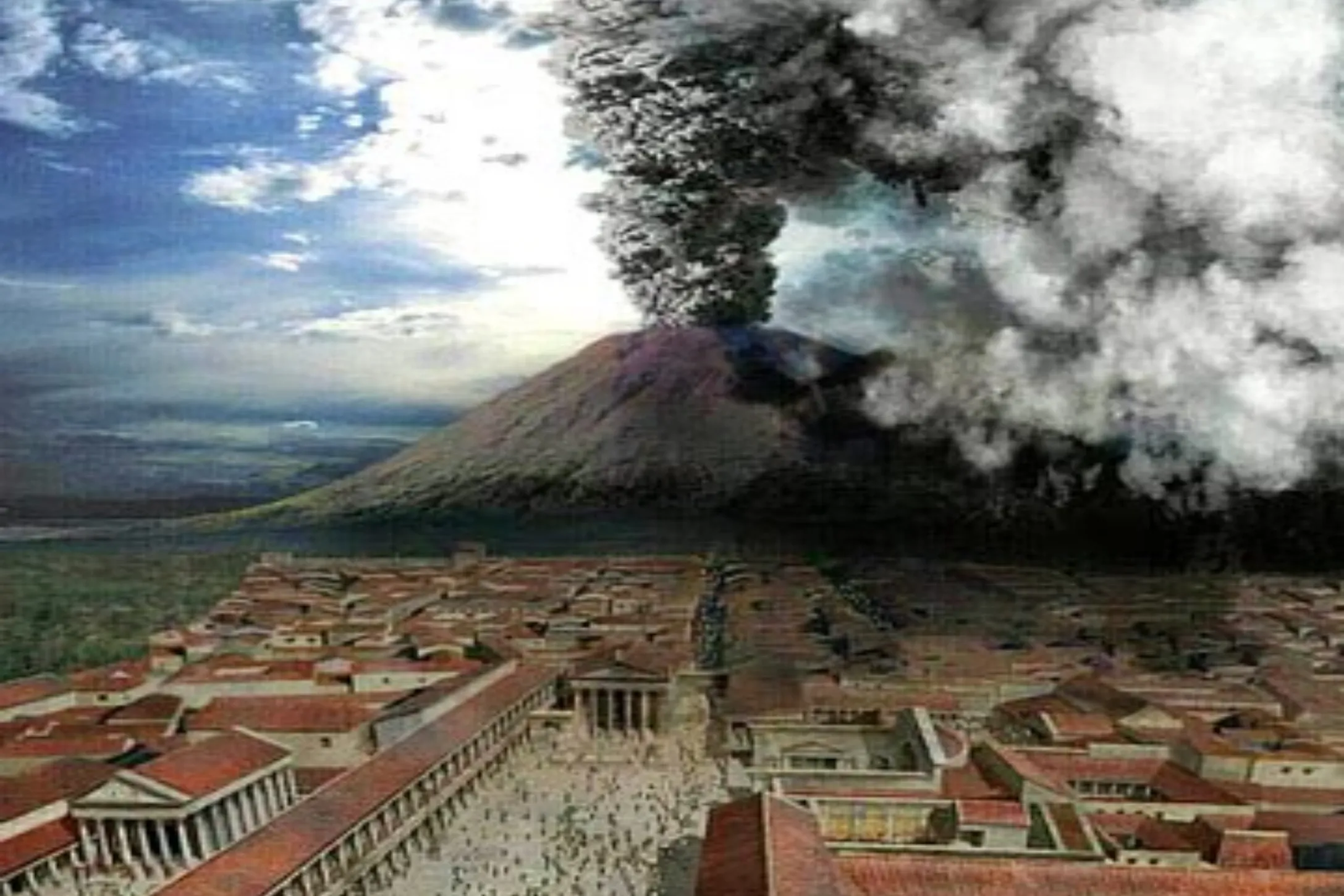
In the late nineteenth century, engineers attempted something bold: to make Vesuvius accessible beyond expert hikers and local guides. The early funicular line was a technical gamble built across unstable volcanic terrain exposed to ash, erosion, and unpredictable weather. It required constant maintenance, but it transformed public imagination by proving that reaching high volcanic zones could become a structured travel experience.
That innovation did more than move passengers uphill; it changed the meaning of the journey itself. For Naples, it symbolized modern confidence and civic showmanship, a city willing to connect culture and technology at the edge of geological uncertainty. Today's organized roundtrips are heirs to that same idea: turn a difficult ascent into a clear, shared, and memorable route.
Funiculi Funicula and global fame
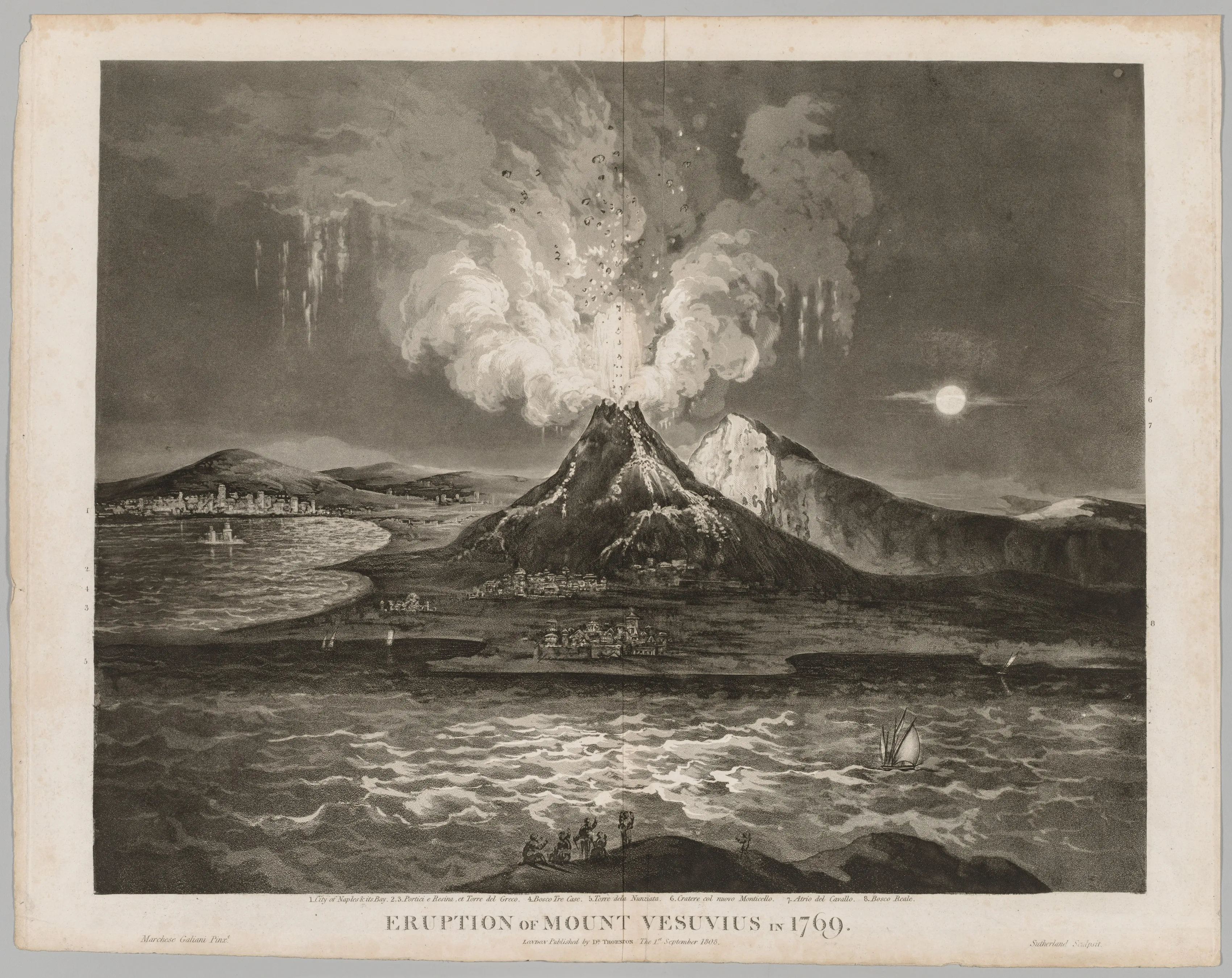
When Funiculi Funicula debuted in 1880, it celebrated the thrill of rising toward Vesuvius and quickly became a global musical phenomenon. The melody sounded playful, but beneath it sat a deeper message: Naples presenting itself as inventive, welcoming, and proudly connected to its mountain.
Over time, the song traveled far beyond Campania through theaters, orchestras, and popular recordings, often detached from its origin but never fully losing its volcanic heartbeat. Even now, travelers who know the tune often describe a small smile during departure, as if the old spirit of ascent and return still accompanies the roundtrip.
Eruptions and interrupted dreams
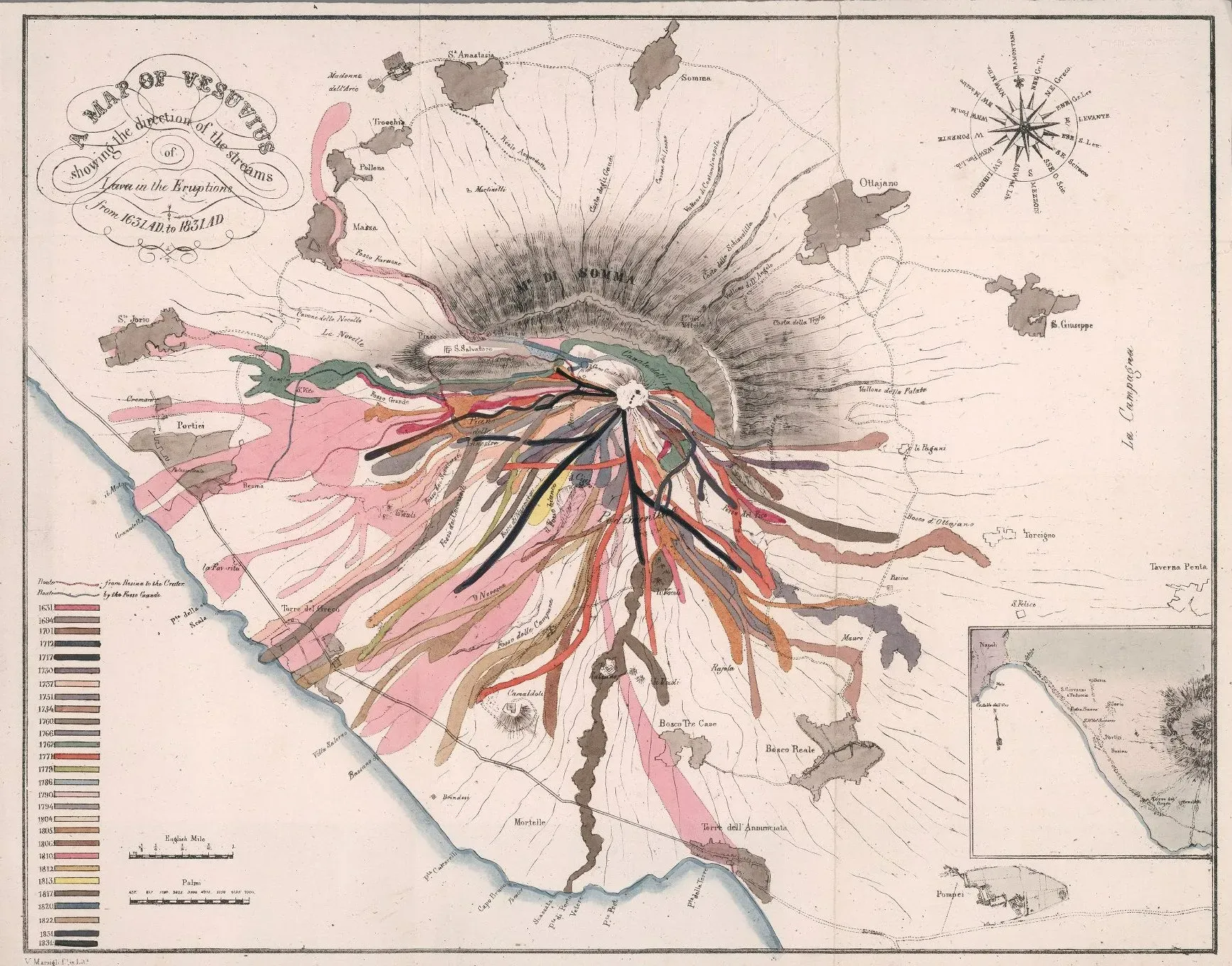
Vesuvius has always reminded planners that no infrastructure is absolute. Eruptions, ash fall, and ground instability repeatedly disrupted access routes and forced redesigns, closures, and policy resets. What seemed permanent in one decade could become unsafe in the next.
This stop-and-start history is not only about loss; it is also about adaptation. Authorities, engineers, and local communities continuously adjusted access models to match evolving scientific knowledge. Modern roundtrips, with timed entries and active weather monitoring, are the practical result of those lessons learned over generations.
Naples, science, and volcanic curiosity
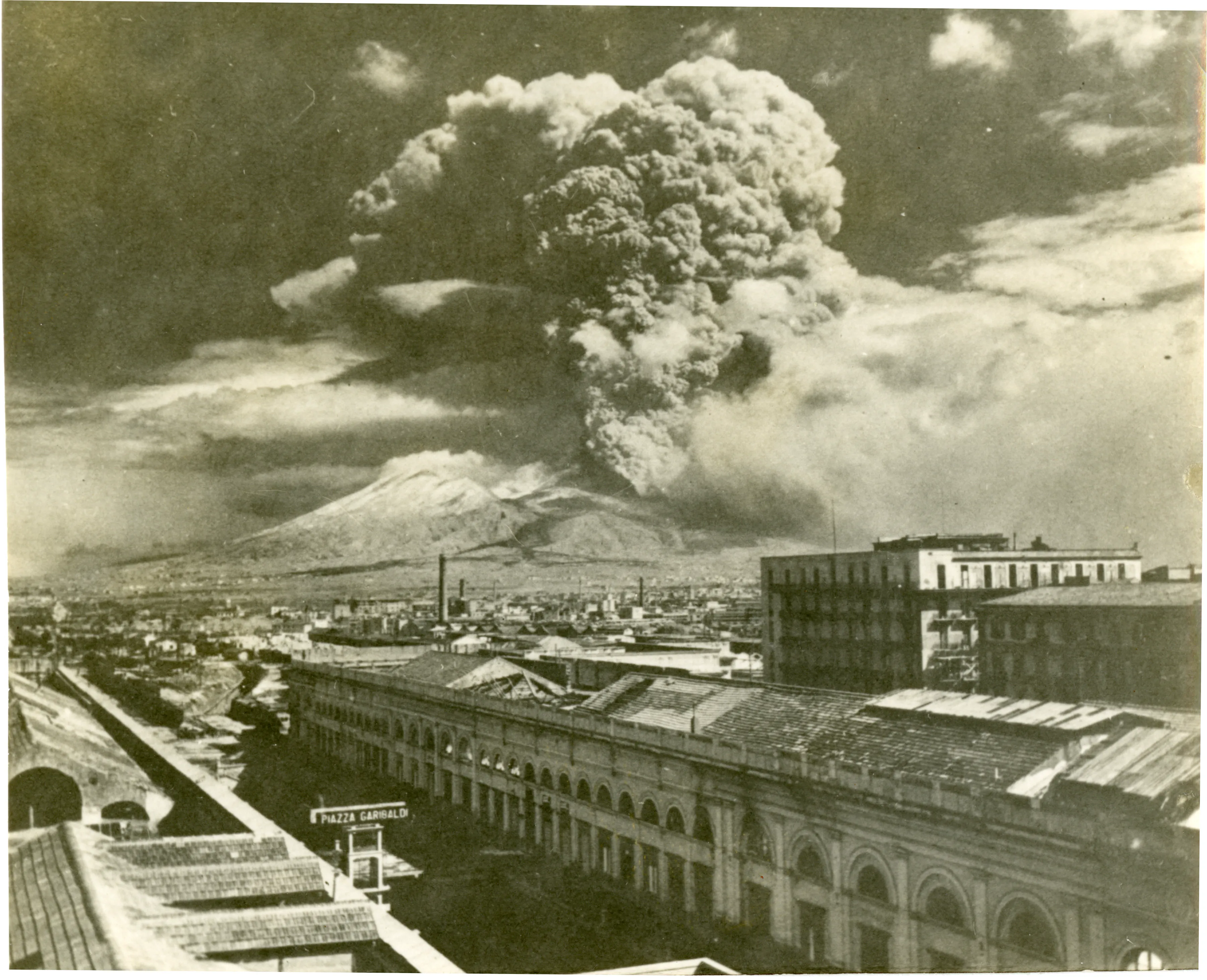
Naples is one of the few major cities where volcanology is not abstract science but part of civic life. Universities, observatories, historians, and emergency planners have studied Vesuvius for decades, producing research that influences public policy, education, and tourism management.
For visitors, this makes the roundtrip richer than a scenic excursion. You are entering a landscape that helped shape modern hazard science, while standing close enough to see how communities continue to live, work, and build identity alongside risk.
Modern access from Naples
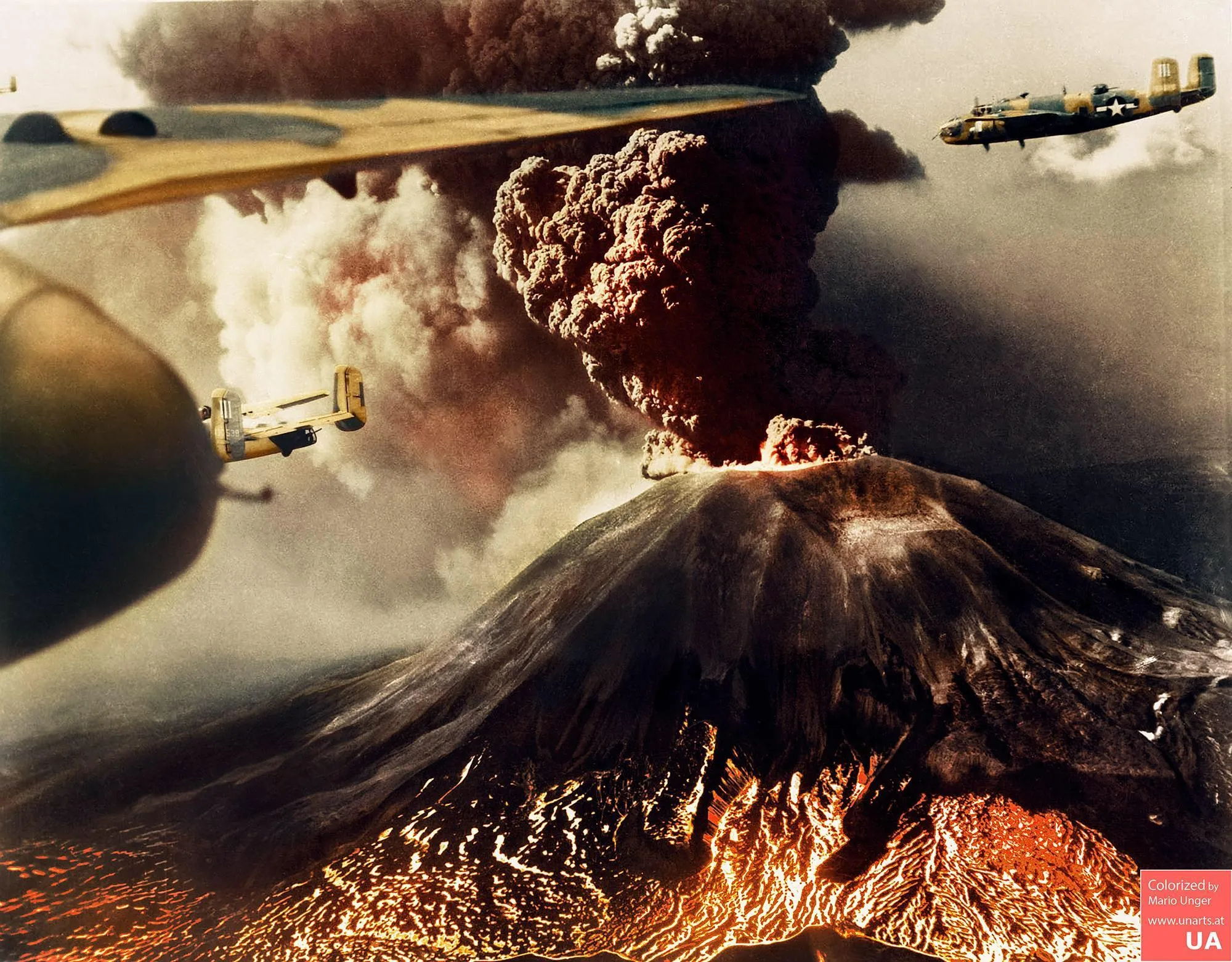
Most visitors now use modular travel: city departure, transfer hub, controlled mountain access, and scheduled return. Compared with earlier eras, it may seem less romantic in theory, but in practice it delivers clearer logistics and better safety oversight for large numbers of travelers.
The best roundtrip is the one aligned with your pace. Independent travelers may prefer straightforward transport, while first-time visitors often appreciate guided context. Either way, the emotional sequence remains timeless: anticipation in Naples, awe on the mountain, reflection on the ride back.
What the ascent feels like today
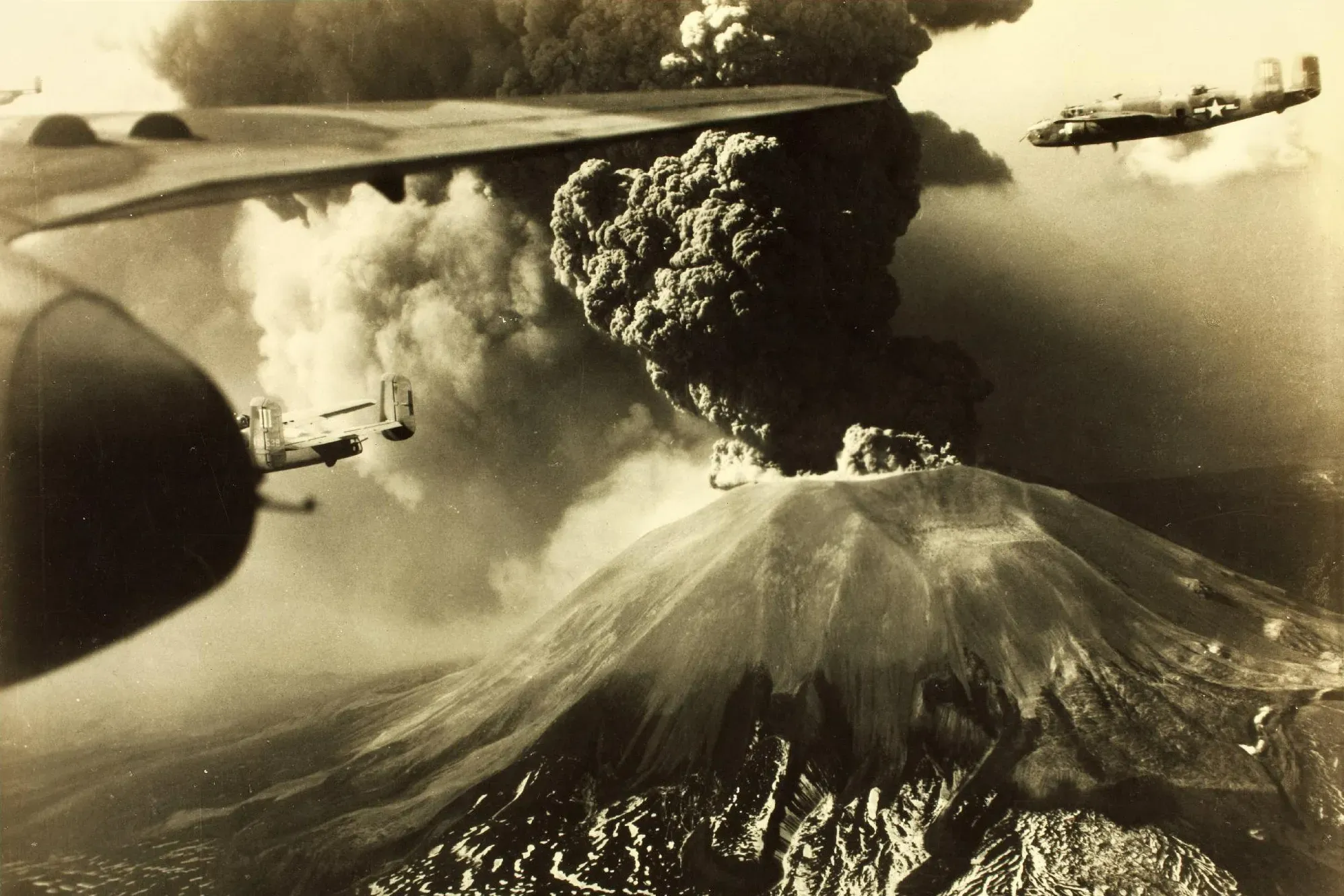
One reason people remember this day so vividly is the speed of contrast. In Naples you hear scooters, voices, and station announcements; on Vesuvius you hear wind, footsteps, and long pauses between words. The visual palette changes just as quickly, from dense urban color to ash-gray textures and wide sky.
As you approach upper viewpoints, details become tactile: gritty volcanic dust, sharp light, layered ridgelines, and the broad curve of the bay below. Many travelers say this is the moment the trip stops feeling like a checklist and starts feeling personal.
Safety, weather, and responsible travel
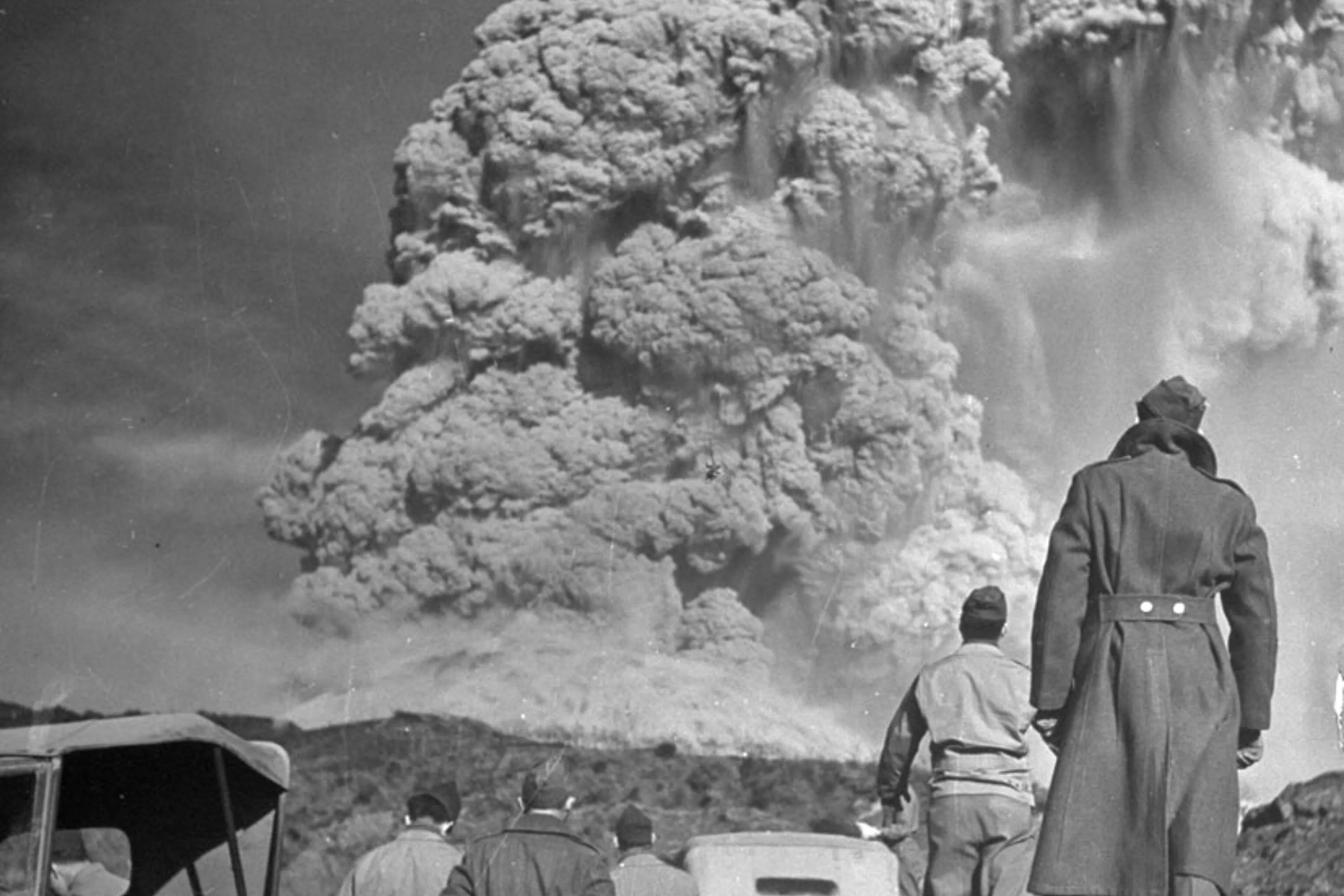
Responsible roundtrip travel starts with basics: reliable operator, proper shoes, water, weather checks, and respect for official instructions. Conditions can change quickly with altitude, and staff decisions to delay or restrict access are usually based on real risk signals.
Responsible behavior also protects the landscape. Stay on marked routes, avoid removing rocks or plants, and carry waste out. Vesuvius is both a global symbol and a fragile environment under heavy visitor pressure.
Culture, food, and local identity
A Vesuvius roundtrip is also a Naples culture day. Many visitors begin with sfogliatella or espresso near stations, and end with pizza or seafood while replaying the day. In Naples, the volcano is not distant scenery; it is language, memory, humor, and everyday reference.
That cultural continuity gives the roundtrip unusual depth. You are not visiting an isolated landmark, but a living region where geology and urban life constantly interact, from cuisine and music to neighborhood stories and local expressions.
Tickets and smart planning

Smart planning begins with timing and clarity. Earlier departures often mean better visibility and gentler temperatures. Always confirm inclusions carefully because similar ticket names can hide very different content: transport only, transport plus access, or guided full-service formats.
Plan your return before heading uphill. Knowing your descent connection removes stress and lets you enjoy upper viewpoints without constantly checking schedules. This one decision changes the tone of the entire day.
Protecting a fragile volcanic landscape
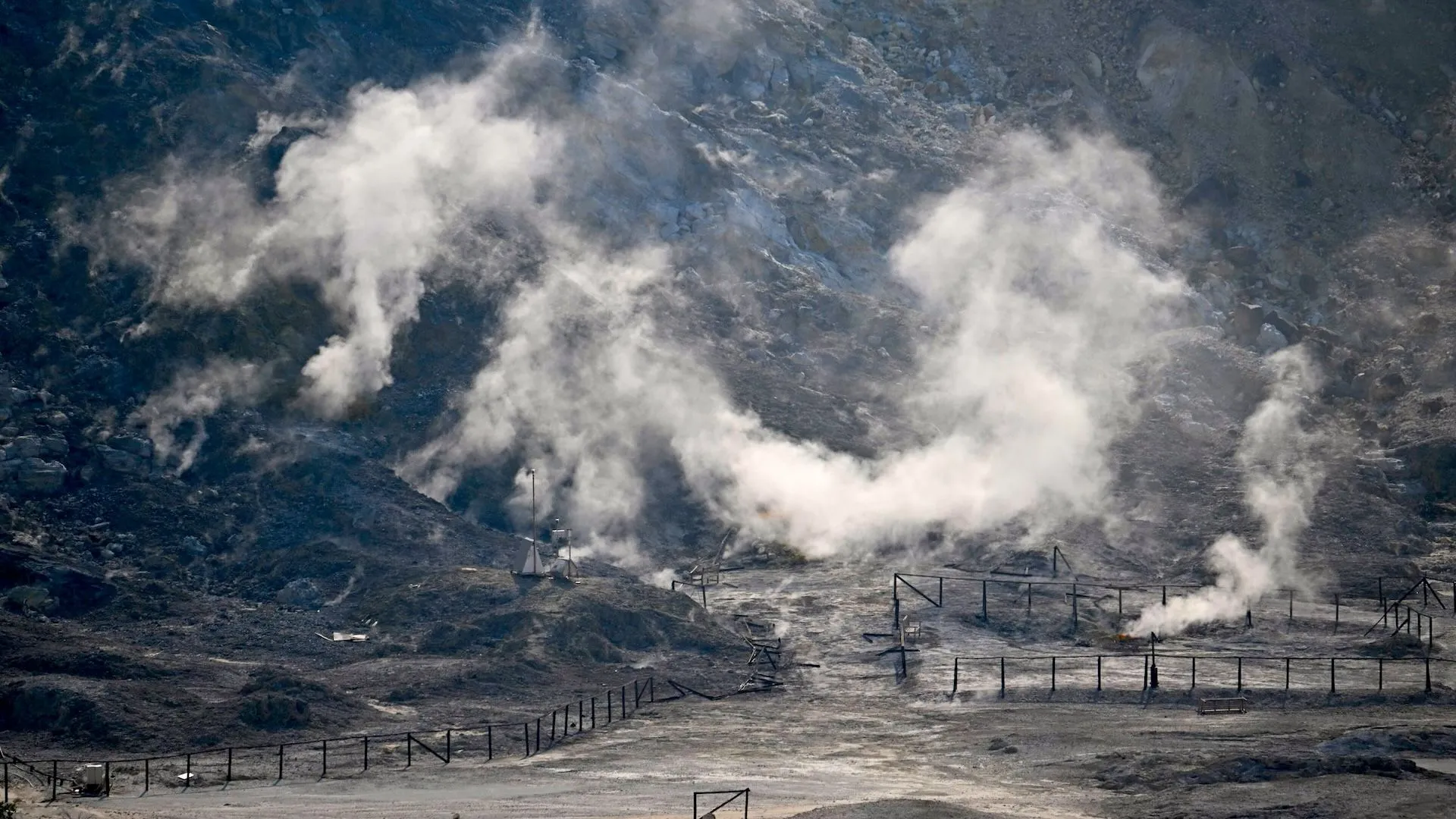
Managing Vesuvius means balancing access with conservation every season. Erosion, weather, infrastructure wear, and visitor volume all affect how many people can safely enter and when. Capacity controls can feel strict, but they are essential for both safety and preservation.
Visitors are active participants in this balance. Choosing authorized services and respecting on-site limits supports the long-term health of one of Italy's most iconic yet vulnerable landscapes.
Best side stops around Vesuvius

If you have extra time, combining Vesuvius with Pompeii or Herculaneum creates a powerful narrative loop: first the volcano from above, then the archaeological record of its historic force on the ground. The contrast makes both experiences more meaningful.
Other rewarding add-ons include vineyards rooted in volcanic soils, coastal viewpoints, and slower meals in smaller towns during the return leg. These stops reveal how communities transformed difficult terrain into culture, hospitality, and agriculture.
Why this journey still matters
At first glance, a Naples to Vesuvius roundtrip may seem like a classic day tour. In reality, it is one of those rare journeys where landscape, history, science, and identity converge in a way that feels immediate and human.
By the time you return to Naples, you usually carry more than photos. You carry a clearer sense of how people here live with risk, memory, and beauty at once. That is why this route continues to matter, generation after generation.
Table of Contents
Vesuvius before tourism
Long before booking platforms existed, Vesuvius already shaped daily life around the bay. People farmed its fertile soils, watched its changing profile, and lived with a tension that still defines the region: extraordinary beauty paired with volcanic risk. The eruption of 79 CE, which buried Pompeii and Herculaneum, became one of history's most documented natural disasters and changed how later generations imagined power, vulnerability, and memory.
By the eighteenth and nineteenth centuries, Grand Tour travelers arrived in Naples specifically to witness this landscape where civilization and geology meet so dramatically. Their letters described dawn climbs, sulfur scents, moonlit crater views, and the unsettling realization that one of Europe's most culturally rich regions existed beside a still-active volcano. In many ways, the modern roundtrip follows their emotional map, only with better logistics and clearer safety boundaries.
The birth of the first Vesuvius funicular
In the late nineteenth century, engineers attempted something bold: to make Vesuvius accessible beyond expert hikers and local guides. The early funicular line was a technical gamble built across unstable volcanic terrain exposed to ash, erosion, and unpredictable weather. It required constant maintenance, but it transformed public imagination by proving that reaching high volcanic zones could become a structured travel experience.
That innovation did more than move passengers uphill; it changed the meaning of the journey itself. For Naples, it symbolized modern confidence and civic showmanship, a city willing to connect culture and technology at the edge of geological uncertainty. Today's organized roundtrips are heirs to that same idea: turn a difficult ascent into a clear, shared, and memorable route.
Funiculi Funicula and global fame
When Funiculi Funicula debuted in 1880, it celebrated the thrill of rising toward Vesuvius and quickly became a global musical phenomenon. The melody sounded playful, but beneath it sat a deeper message: Naples presenting itself as inventive, welcoming, and proudly connected to its mountain.
Over time, the song traveled far beyond Campania through theaters, orchestras, and popular recordings, often detached from its origin but never fully losing its volcanic heartbeat. Even now, travelers who know the tune often describe a small smile during departure, as if the old spirit of ascent and return still accompanies the roundtrip.
Eruptions and interrupted dreams
Vesuvius has always reminded planners that no infrastructure is absolute. Eruptions, ash fall, and ground instability repeatedly disrupted access routes and forced redesigns, closures, and policy resets. What seemed permanent in one decade could become unsafe in the next.
This stop-and-start history is not only about loss; it is also about adaptation. Authorities, engineers, and local communities continuously adjusted access models to match evolving scientific knowledge. Modern roundtrips, with timed entries and active weather monitoring, are the practical result of those lessons learned over generations.
Naples, science, and volcanic curiosity
Naples is one of the few major cities where volcanology is not abstract science but part of civic life. Universities, observatories, historians, and emergency planners have studied Vesuvius for decades, producing research that influences public policy, education, and tourism management.
For visitors, this makes the roundtrip richer than a scenic excursion. You are entering a landscape that helped shape modern hazard science, while standing close enough to see how communities continue to live, work, and build identity alongside risk.
Modern access from Naples
Most visitors now use modular travel: city departure, transfer hub, controlled mountain access, and scheduled return. Compared with earlier eras, it may seem less romantic in theory, but in practice it delivers clearer logistics and better safety oversight for large numbers of travelers.
The best roundtrip is the one aligned with your pace. Independent travelers may prefer straightforward transport, while first-time visitors often appreciate guided context. Either way, the emotional sequence remains timeless: anticipation in Naples, awe on the mountain, reflection on the ride back.
What the ascent feels like today
One reason people remember this day so vividly is the speed of contrast. In Naples you hear scooters, voices, and station announcements; on Vesuvius you hear wind, footsteps, and long pauses between words. The visual palette changes just as quickly, from dense urban color to ash-gray textures and wide sky.
As you approach upper viewpoints, details become tactile: gritty volcanic dust, sharp light, layered ridgelines, and the broad curve of the bay below. Many travelers say this is the moment the trip stops feeling like a checklist and starts feeling personal.
Safety, weather, and responsible travel
Responsible roundtrip travel starts with basics: reliable operator, proper shoes, water, weather checks, and respect for official instructions. Conditions can change quickly with altitude, and staff decisions to delay or restrict access are usually based on real risk signals.
Responsible behavior also protects the landscape. Stay on marked routes, avoid removing rocks or plants, and carry waste out. Vesuvius is both a global symbol and a fragile environment under heavy visitor pressure.
Culture, food, and local identity
A Vesuvius roundtrip is also a Naples culture day. Many visitors begin with sfogliatella or espresso near stations, and end with pizza or seafood while replaying the day. In Naples, the volcano is not distant scenery; it is language, memory, humor, and everyday reference.
That cultural continuity gives the roundtrip unusual depth. You are not visiting an isolated landmark, but a living region where geology and urban life constantly interact, from cuisine and music to neighborhood stories and local expressions.
Tickets and smart planning
Smart planning begins with timing and clarity. Earlier departures often mean better visibility and gentler temperatures. Always confirm inclusions carefully because similar ticket names can hide very different content: transport only, transport plus access, or guided full-service formats.
Plan your return before heading uphill. Knowing your descent connection removes stress and lets you enjoy upper viewpoints without constantly checking schedules. This one decision changes the tone of the entire day.
Protecting a fragile volcanic landscape
Managing Vesuvius means balancing access with conservation every season. Erosion, weather, infrastructure wear, and visitor volume all affect how many people can safely enter and when. Capacity controls can feel strict, but they are essential for both safety and preservation.
Visitors are active participants in this balance. Choosing authorized services and respecting on-site limits supports the long-term health of one of Italy's most iconic yet vulnerable landscapes.
Best side stops around Vesuvius
If you have extra time, combining Vesuvius with Pompeii or Herculaneum creates a powerful narrative loop: first the volcano from above, then the archaeological record of its historic force on the ground. The contrast makes both experiences more meaningful.
Other rewarding add-ons include vineyards rooted in volcanic soils, coastal viewpoints, and slower meals in smaller towns during the return leg. These stops reveal how communities transformed difficult terrain into culture, hospitality, and agriculture.
Why this journey still matters
At first glance, a Naples to Vesuvius roundtrip may seem like a classic day tour. In reality, it is one of those rare journeys where landscape, history, science, and identity converge in a way that feels immediate and human.
By the time you return to Naples, you usually carry more than photos. You carry a clearer sense of how people here live with risk, memory, and beauty at once. That is why this route continues to matter, generation after generation.